Tuotantoprosessi
FDM 3D-tulostus
FDM on oikea valinta, kun kappaleen pitää ennen kaikkea toimia: tarpeeksi luja käyttöön, tarpeeksi nopea iterointiin ja riittävän monipuolinen kattamaan kaiken karkeista prototyypeistä valmiisiin toimiviin osiin.
Pudota STL tähän, niin siirrymme suoraan esikatseluun ja hinnoitteluun.
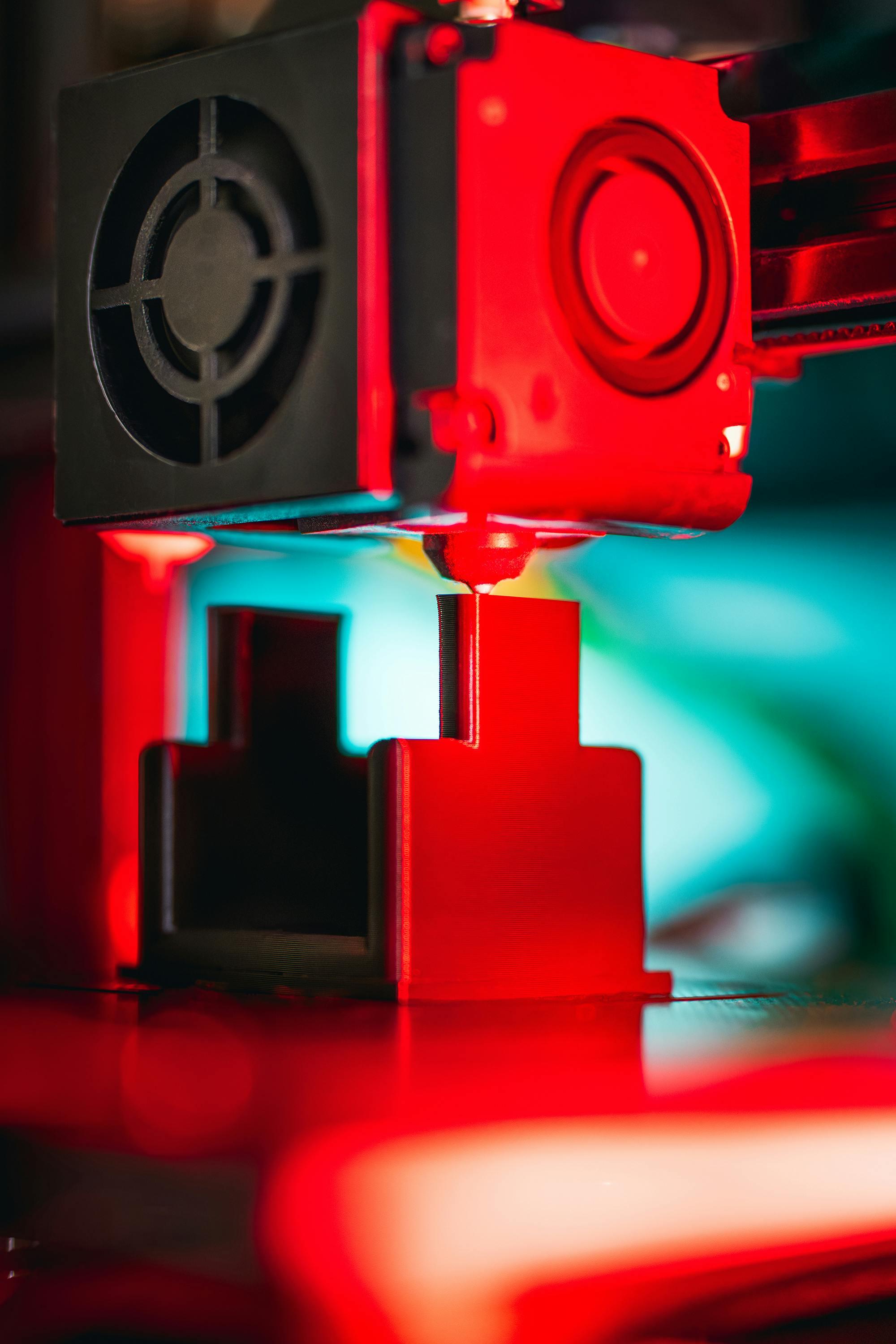 FDM-prosessi
Vedä ja pudota STL tai selaa tiedostoja
Enintään 200 MB. Avaamme STL-esikatselun lukemisen jälkeen.
Prototyypit, jigit, kotelot, kiinnikkeet ja kestävät arkikäytön osat.
PLA, PETG, ABS ja TPU lujuuden, lämmönkeston, joustavuuden ja pinnan mukaan.
Yleensä 1-3 arkipäivää geometrian, määrän ja jälkikäsittelyn mukaan.
Missä FDM on vahvimmillaan
- Toimivat osat, jotka asennetaan, testataan tai joita käytetään oikeissa olosuhteissa.
- Nopeat prototyyppikierrokset, joissa nopeus ja hinta ratkaisevat enemmän kuin täydellinen ulkonäkö.
- Suuremmat tai mekaanisesti yksinkertaiset kappaleet, jotka hyötyvät kestävistä kestomuoveista.
Mitä säädämme ennen tulostusta
- Kerroskorkeus ja seinämävahvuus oikeaan nopeuden ja lujuuden tasapainoon.
- Täyttö ja asento niin, että kappale kestää voiman siellä missä on tarpeen.
- Tukirakenteet, jotka pitävät ulokkeet vakaina ja viimeistelyn ennustettavana.
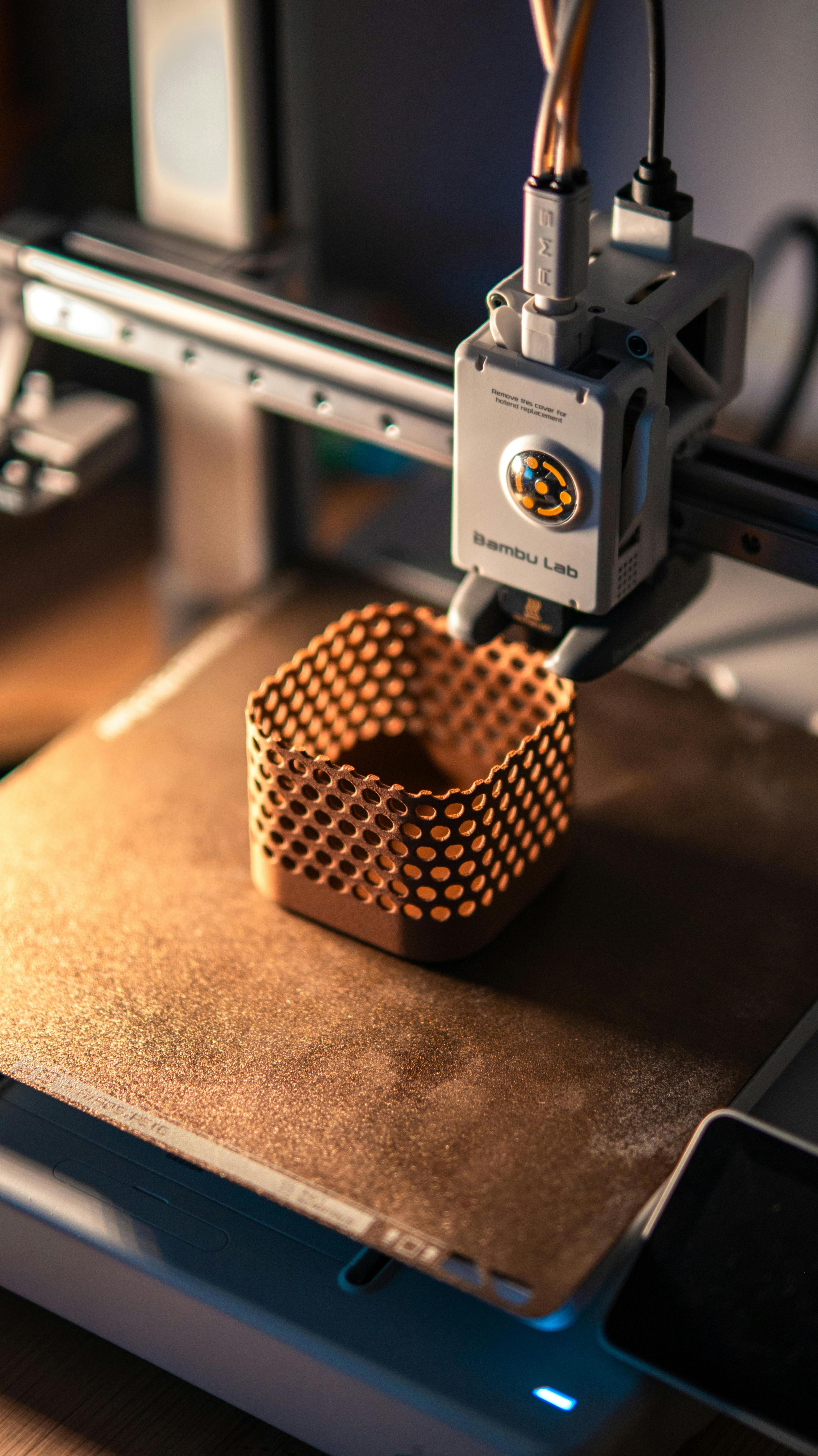 Toimiva lopputulos
Valitse FDM, kun kestävyys, nopeus ja käytännön materiaaliominaisuudet ratkaisevat. Jos et ole varma PLA:n, PETG:n, ABS:n ja TPU:n välillä, kerro käyttötarkoitus, niin valitsemme oikean materiaalin.